





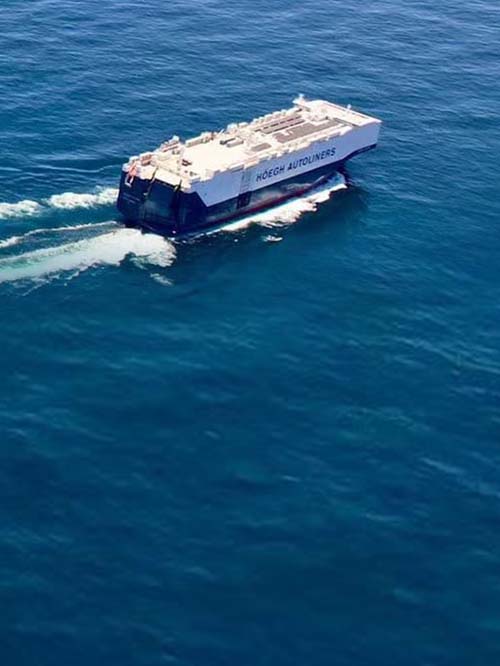



Few ships spend their lives at full power. Slow steaming is one of the most effective ways to cut CO2, and a large container vessel may spend most of its hours at low load. Turbochargers, however, are often sized for full power. At part load they operate outside of the optimum level, and fuel consumption climbs.
Cutting out emissions
Turbocharger cut-out tackles this directly. Below a set engine load, a valve on one of the turbochargers is closed to take that turbocharger out of operation. The other turbochargers then work closer to their optimum, raising scavenge air pressure and engine efficiency. The auxiliary blowers also switch on at lower loads, saving further energy.
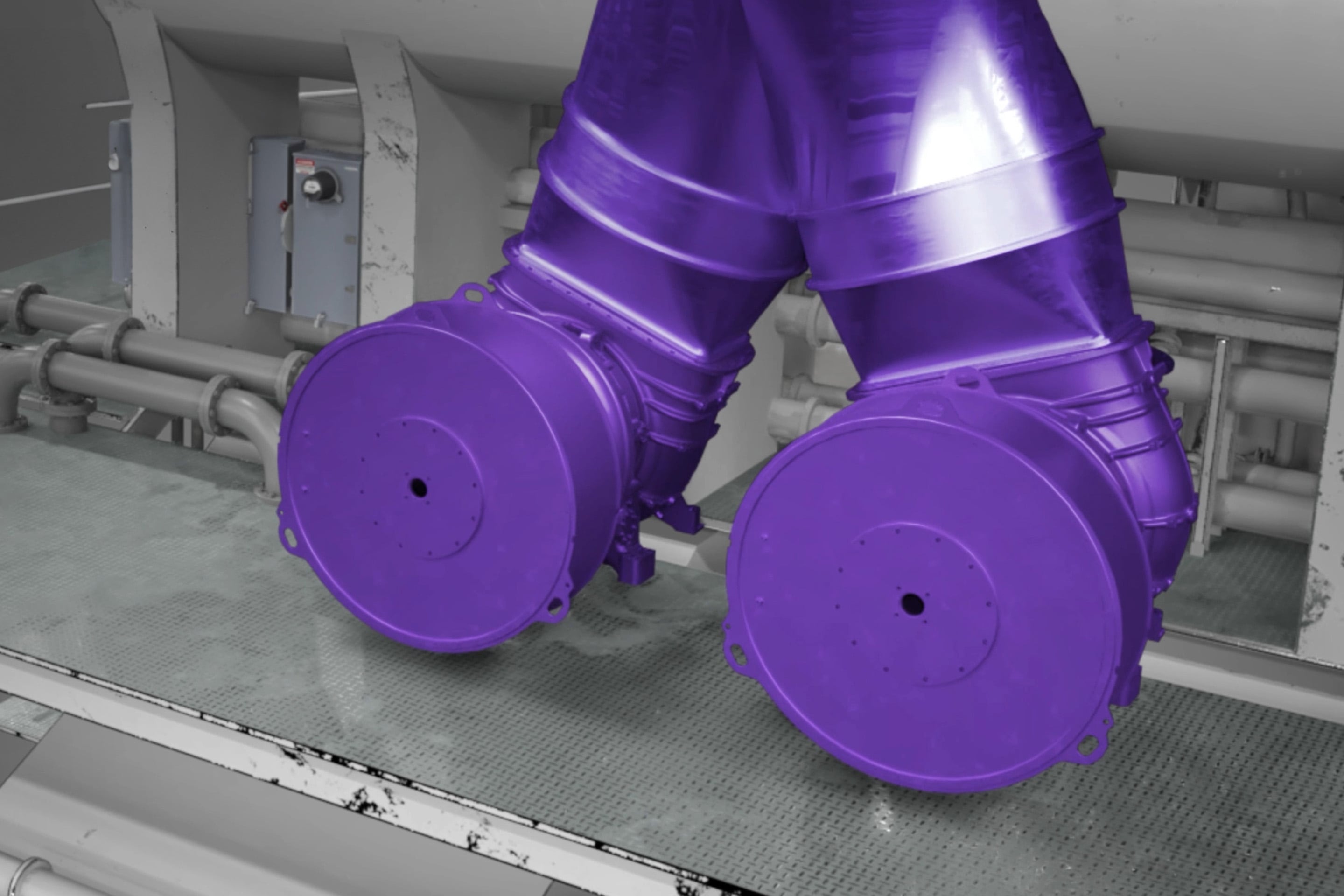
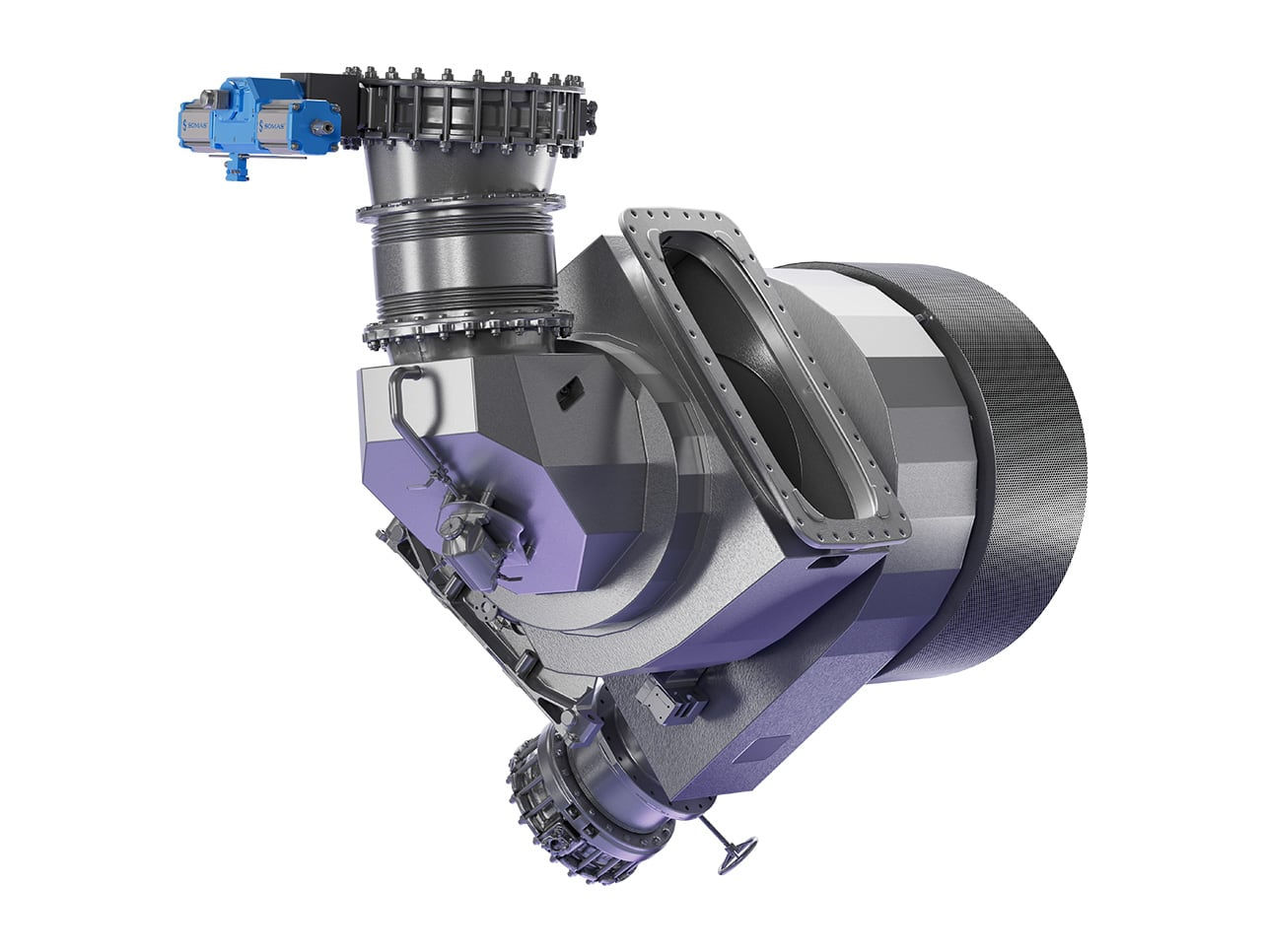 Accelleron turbocharger with cut-out valves
The unique TWIN concept of the ACCX300-L series – where two frame sizes cover the entire engine power range and can be combined freely - makes cut-out far more widely applicable. On a twin arrangement, cutting out one unit at around 50% load can reduce specific fuel oil consumption by up to around 6g/kWh at the lowest loads. With 2x TWIN – using two pairs of turbochargers - cut-out can be staged, starting from around 75% load, so the savings extend across more of the operating profile. Cut-in and cut-out are automatic, so full power is always available when needed.
ACCX300-L turbochargers are prepared for cut-out as standard. And the benefits are already proven: with previous turbocharger generations, Accelleron's FiTS2 retrofit has already delivered fuel savings of 3–5% on a large container vessel.
Balancing uneven wear
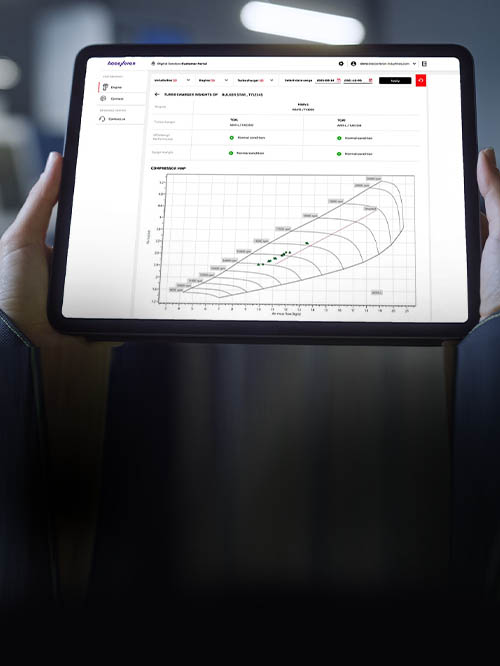
With cut-out, turbochargers on the same engine wear at different rates due to different use rates. Turbo Insights, Accelleron’s turbocharger health platform available as standard on ACCX300-L, shows which unit needs attention and when. Because a cartridge can be swapped during a port stay, each turbocharger can be serviced according to its own condition rather than a shared dry dock schedule.
Ready for what comes next
The same flexibility applies as operating profiles evolve. The modular platform makes it straightforward to rematch turbochargers as regulations such as IMO's Carbon Intensity Indicator (CII) and Energy Efficient Design Index (EEDI) tighten. Headroom built into the design also allows new components to follow as requirements for alternative fuels become clearer.
Together, these features mean lower fuel consumption at part load, fewer and more predictable service events, and a platform that can adapt as fuels and regulations change. From turbocharger cut-out to future fuels, the ACCX300-L helps ships stay efficient however they are run.