












Texas operates a rapidly evolving power system, combining large volumes of wind and solar generation with growing demand for flexible, dispatchable capacity.
Grid resilience has remained a particular focus in Texas since Winter Storm Uri in February 2021 exposed vulnerabilities across electricity generation and the natural-gas supply chain. Subsequent reforms have strengthened weather readiness and regulatory oversight, while the changing generation pipeline reflects the parallel need to meet growing electricity demand reliably.
As of April 2026, solar and battery projects accounted for around 75% of the 458 GW of proposed power generation in the Electric Reliability Council of Texas interconnection queue. At the same time, gas-fired generation in the queue had increased by more than 400%, from 12.5 GW in March 2023 to almost 64 GW in April 2026, overtaking wind for the first time in a decade. Although many queued projects will not ultimately proceed, the figures indicate how the generation pipeline is evolving.
This renewed interest in gas-fired generation reflects rising electricity demand and the need for flexible resources when demand increases or wind and solar output falls. Battery storage can provide rapid support, but its duration is limited, leaving a role for dispatchable thermal generation during prolonged peaks or periods of lower renewable generation.
The scale of the broader demand challenge is considerable. CenterPoint Energy has said that projects representing 14 GW of additional electricity demand could be added to its Houston-area system by 2031. This would be equivalent to more than 65% of its current peak demand. The expected growth is being driven by several factors, including data centers, industrial activity, oil-field electrification, LNG facilities and population growth.
As demand increases and power systems become more dynamic, flexible generation is becoming increasingly valuable in helping utilities respond to peaks and changing system conditions. The value of that capacity, however, ultimately depends on whether it is available when called upon.
Flexible capacity for a changing power system
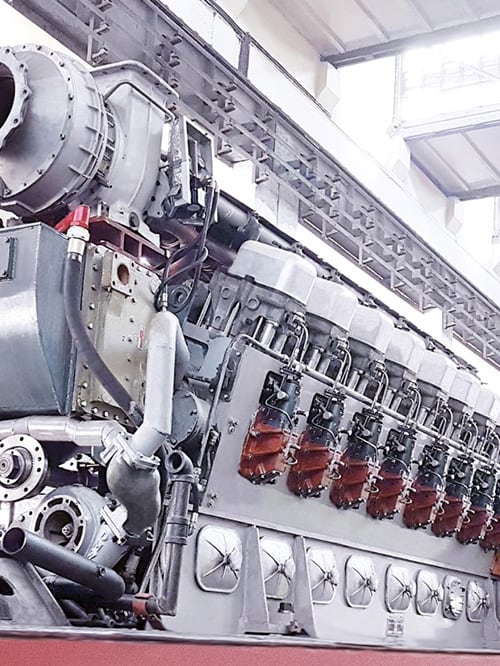
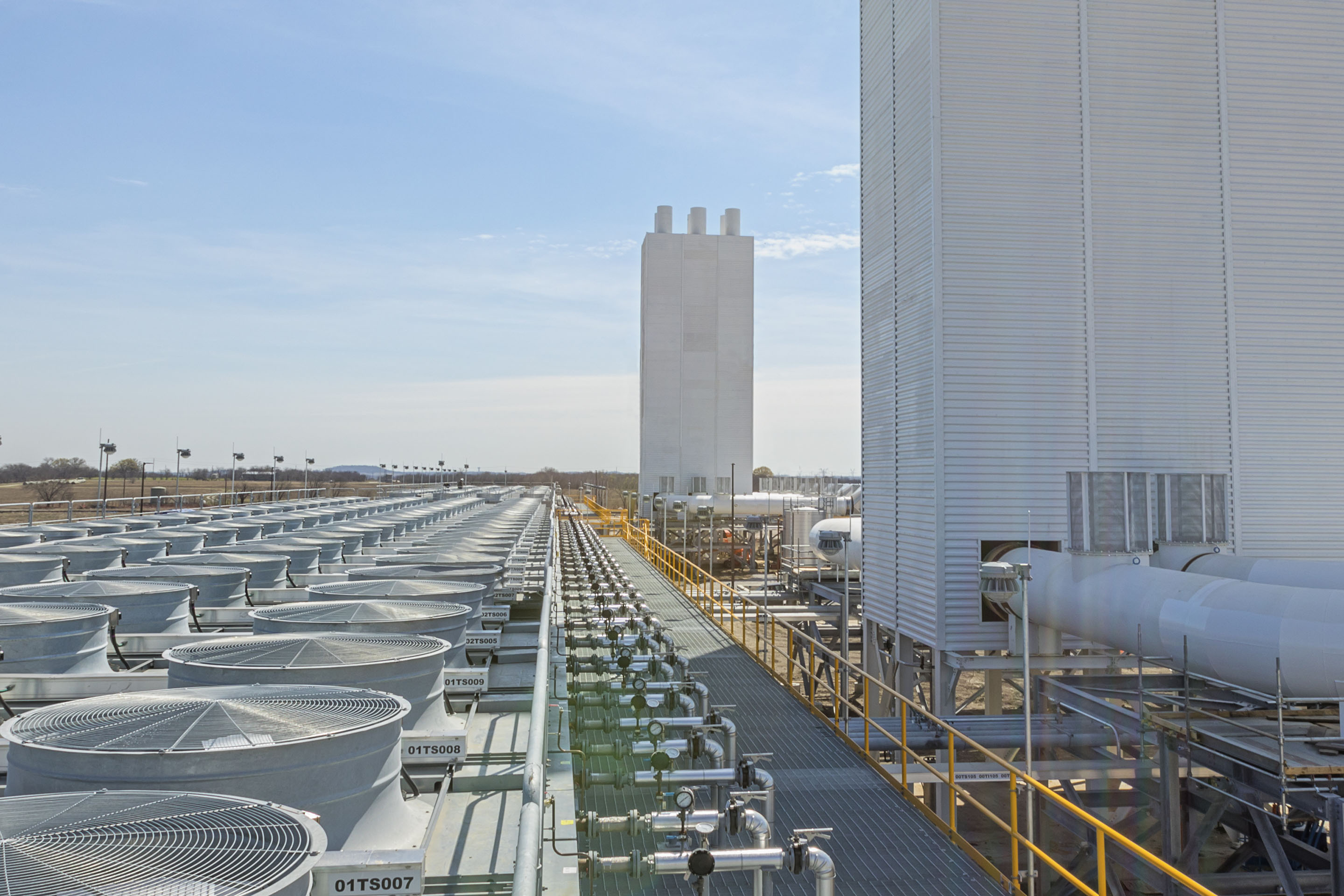
Denton Municipal Electric (DME), the municipally owned utility of the City of Denton, operates the natural-gas-fueled Denton Energy Center. Its reciprocating gas engines can be dispatched individually when demand is high, renewable supply is insufficient or market prices are unfavorable. The plant is expected to reach full generating capacity within five minutes, helping DME respond rapidly to changing grid conditions while managing costs for ratepayers.
Unlike a baseload plant, which runs continuously or for extended periods, a peaking plant can remain idle for significant periods before being required to start at short notice. Once dispatched, it must deliver the necessary generating capacity reliably and within a very short timeframe.
This irregular operating profile creates a distinct maintenance challenge. Frequent starts and stops place different thermal and mechanical demands on engines and turbochargers than continuous operation. At the same time, relatively low or irregular operating hours underline the importance of assessing actual operating conditions when planning maintenance.
For utilities operating similar peaking assets, the challenge is therefore not simply to maintain machinery that accumulates operating hours. It is to maintain confidence that an intermittently operated plant will perform immediately when called, while keeping service requirements and lifecycle costs sufficiently transparent for effective long-term planning.
Planning for an unpredictable operating profile
In May 2026, DME signed a five-year Turbo SmartCare service agreement with Accelleron. The agreement covers all 24 Accelleron A175-M turbochargers installed at Denton Energy Center.
The service model is designed around the specific operating profile of the peaking plant. It covers field and workshop services as well as parts, travel and wear-related components, helping simplify service execution and improve cost predictability.
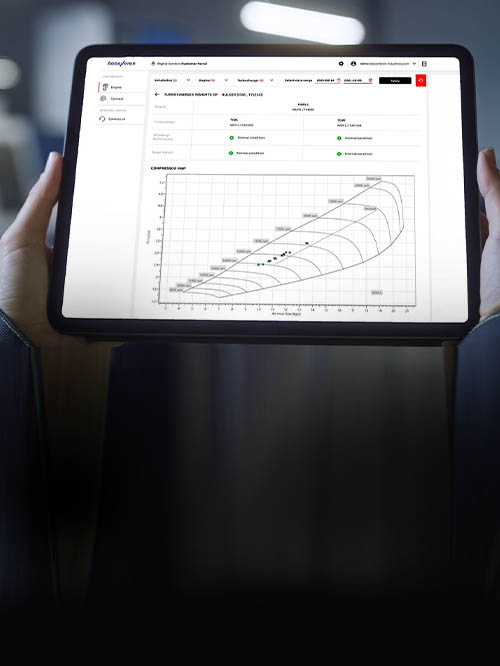
Irregular operating hours, frequent starts and stops, and changing loads make maintenance requirements more complex to plan. Under Turbo SmartCare, Accelleron assumes defined responsibility for maintenance planning and service delivery. Operating data from the turbochargers can be analyzed to align maintenance activities more closely with actual equipment conditions.
Continuous monitoring supports equipment-health assessment and the early detection of potential issues. The agreement also provides continuous coverage for planning and parts, backed by warranty protection if covered issues arise. This gives DME access to the turbocharger OEM’s technical expertise while improving visibility over maintenance requirements and costs.
Predictable costs and responsive support
For a municipal utility, operational readiness is only part of the equation. Financial predictability is also important.
A defined long-term service agreement improves visibility over expected maintenance expenditure, supporting annual budgeting and long-term asset planning while establishing a clear framework for technical support when intervention is needed.
Arthur Pando, Plant Manager at DME, said:
“Our priority is to provide reliable and cost-effective power to our community, especially during periods of peak demand. This long-term service agreement gives us greater predictability in maintenance and supports the dependable operation of our flexible generation assets.”
The agreement connects several factors that are increasingly important to utilities operating peaking assets:
- equipment availability when the plant is dispatched;
- maintenance aligned with the asset’s actual operating profile;
- equipment-health assessment and early issue detection;
- responsive support from the original equipment manufacturer;
- greater visibility over maintenance requirements; and
- more predictable lifecycle costs.
A service agreement cannot eliminate operational risk. It can, however, provide a structured approach to reducing that risk by combining operating-data analysis, proactive maintenance planning, responsive technical support and greater cost predictability. For utilities operating flexible peaking assets, these elements help maintain confidence that the plant will be ready when the grid calls.